
2026
Motorhome Republic
Motorhome Republic operates as a global marketplace aggregating inventory from third-party suppliers, each with unique pricing rules, insurance requirements, and data quality.
Ai Assisted
Case Study
Scope and Responsibility
I was asked to independently assess Motorhome Republic’s product and propose high-impact UX improvements.
My responsibilities were to:
Analyse the experience through a commercial and systems lens
Identify the highest-leverage problems in the core booking journey
Propose defensible UX interventions grounded in UX laws and marketplace constraints
Frame recommendations in a way that would resonate with GMs, Product, and Commercial leaders.
Deliverables:
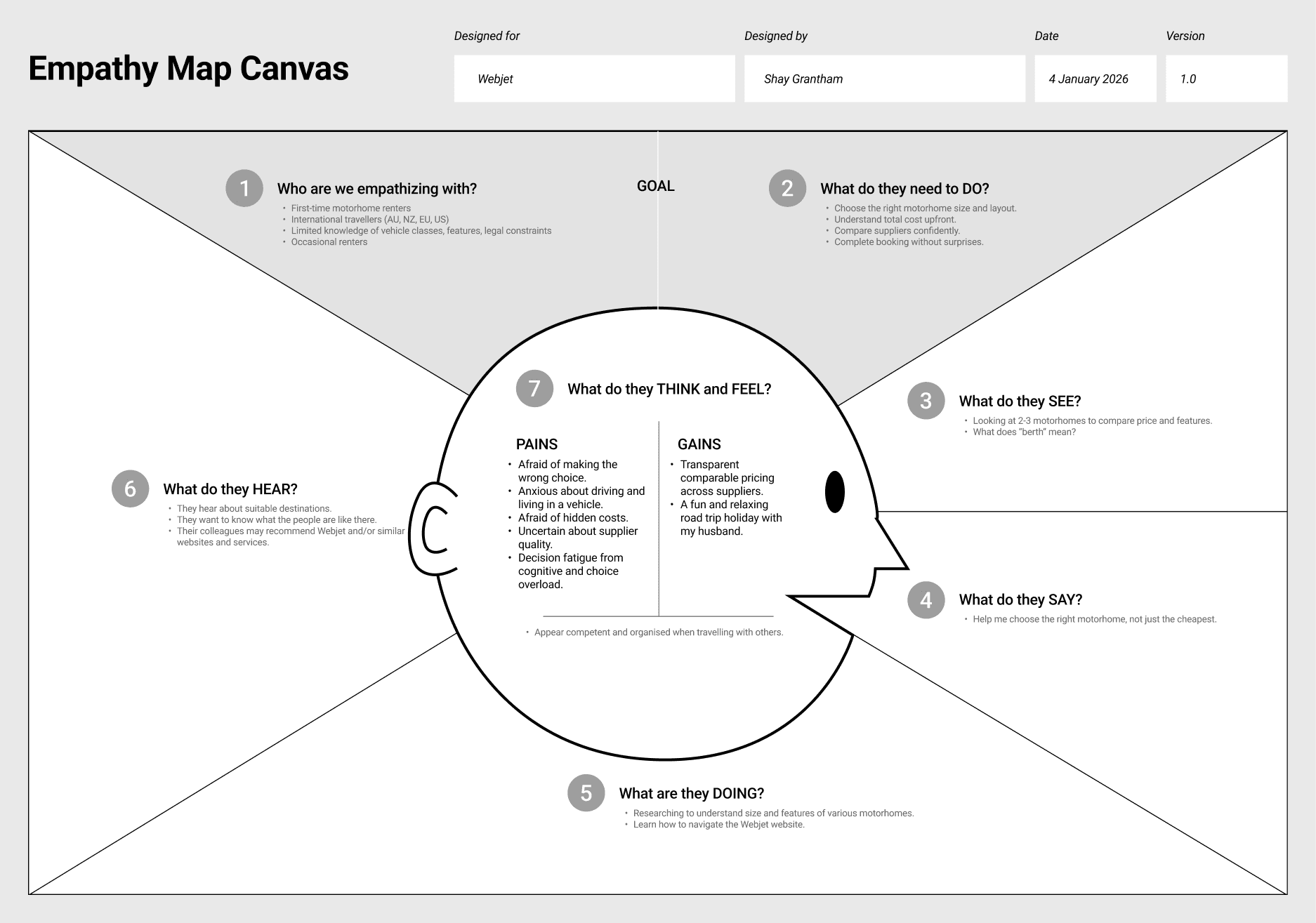
Customer empathy map
UX audit of current website
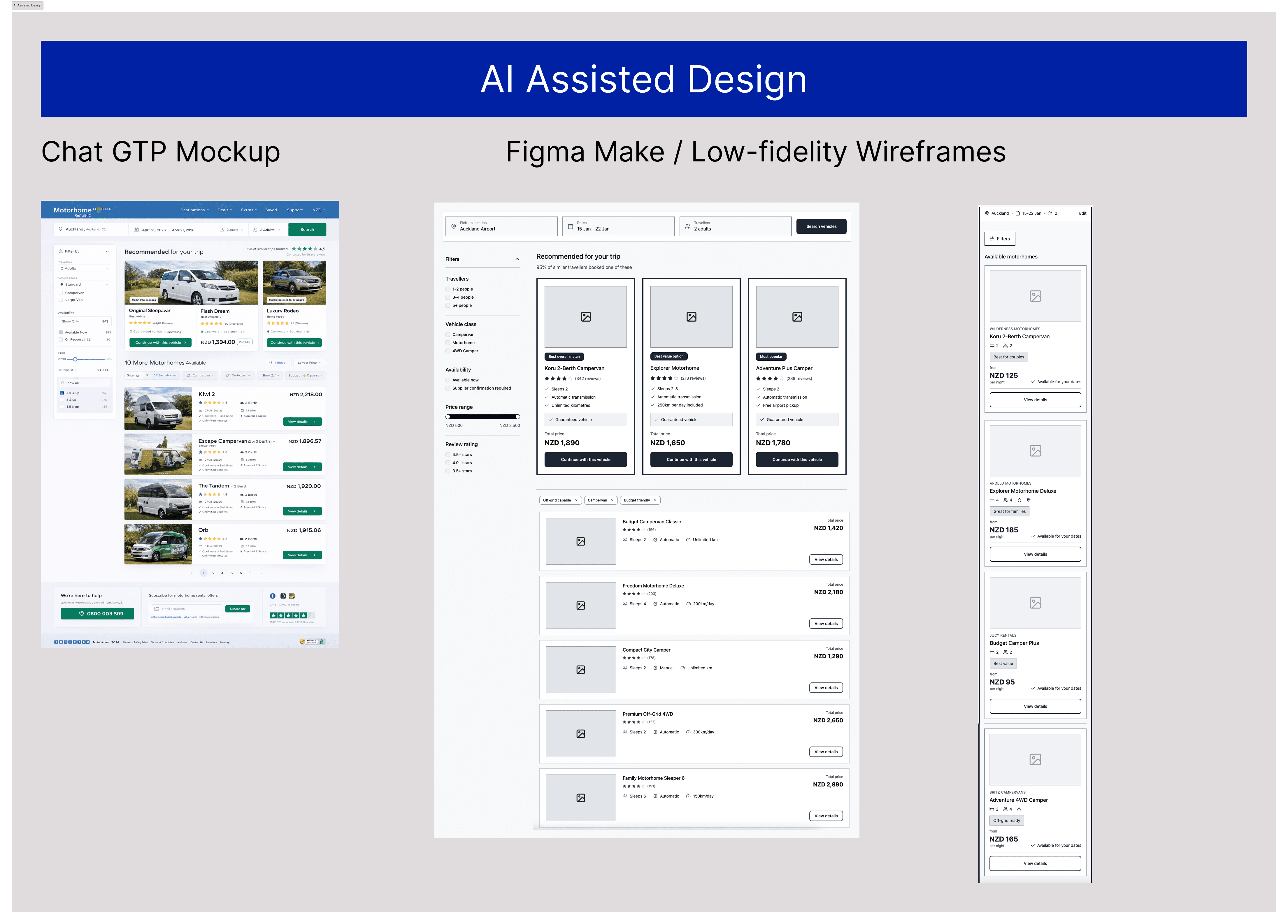
AI assisted wireframes
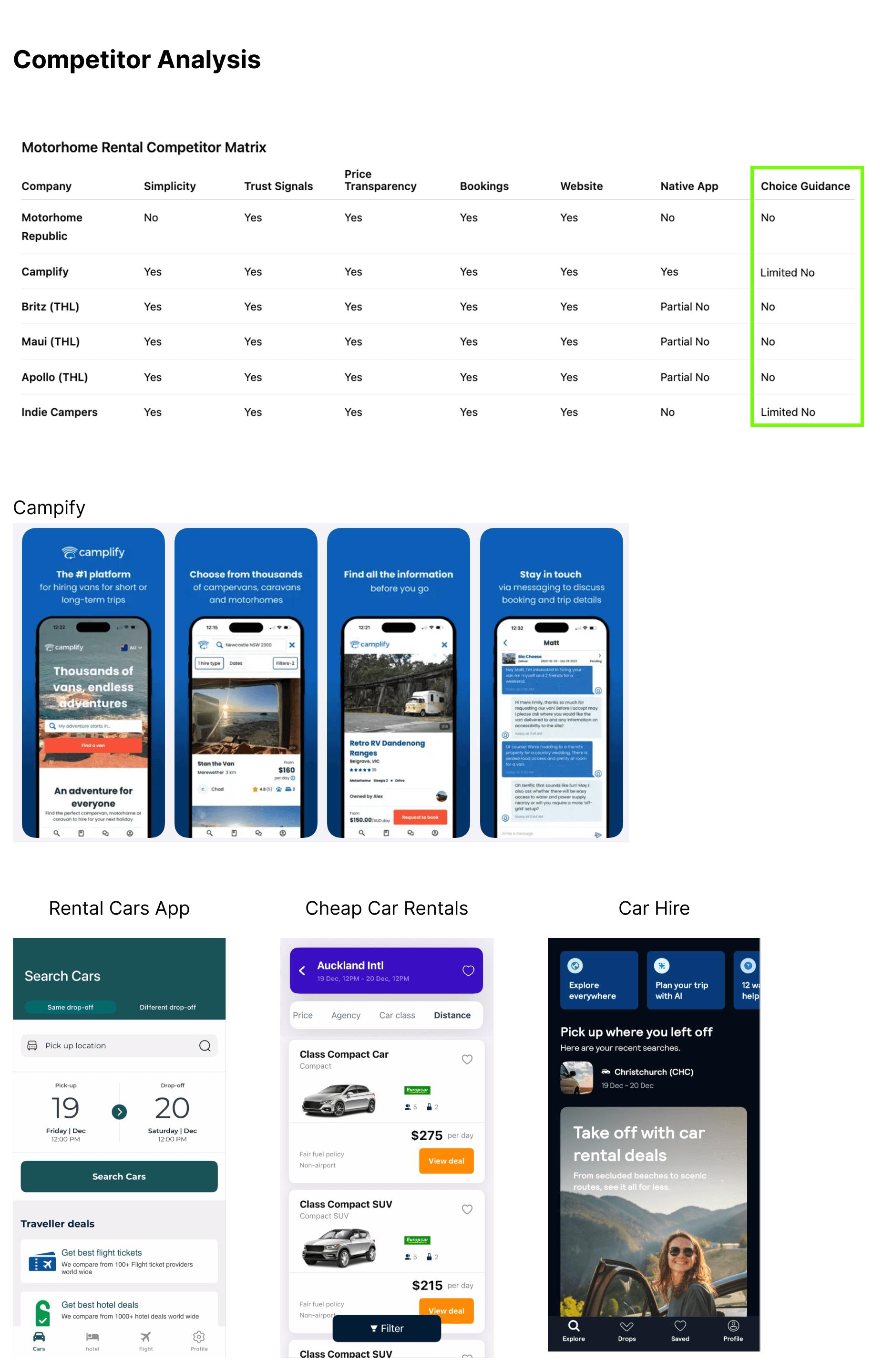
Competitor analysis
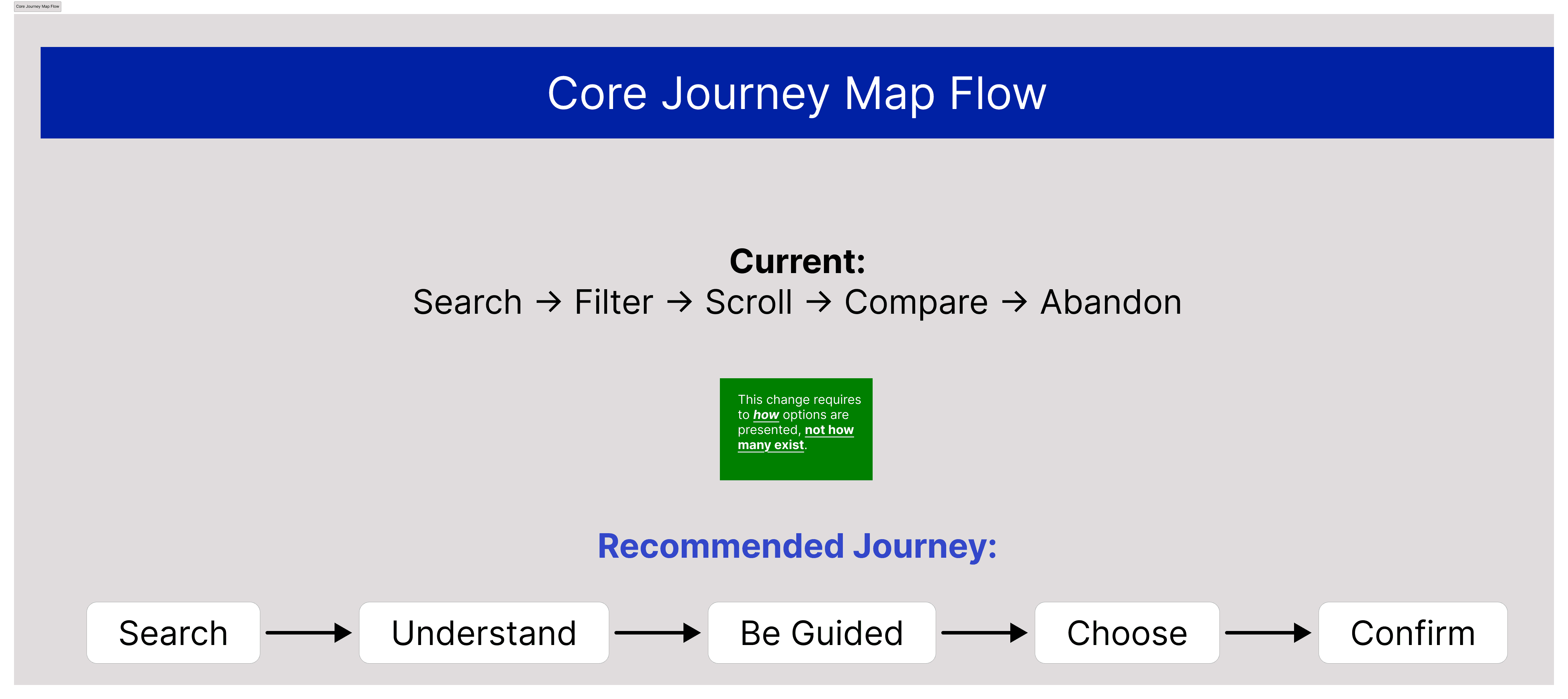
Core journey flow analysis
Redesign of current information architecture
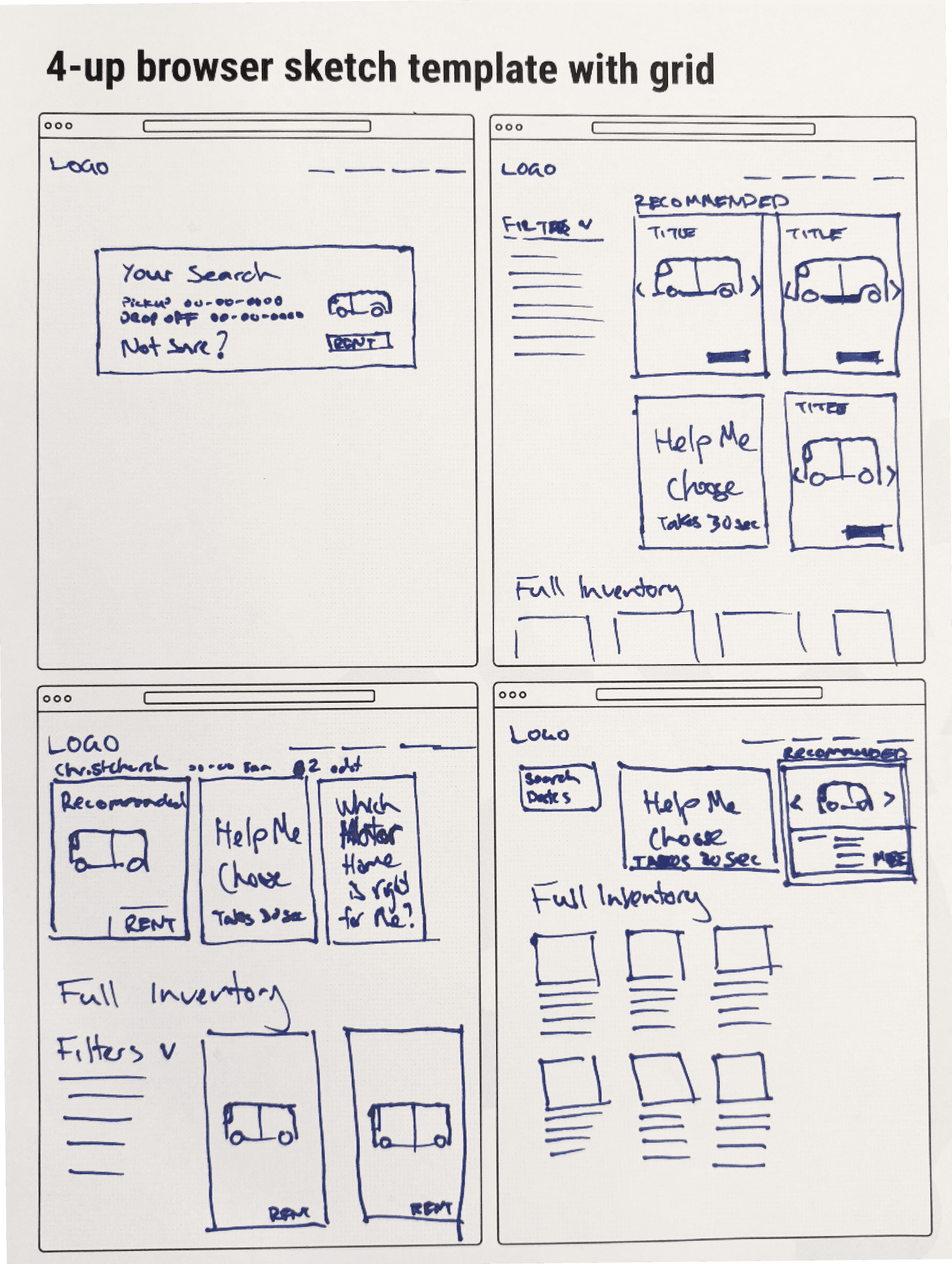
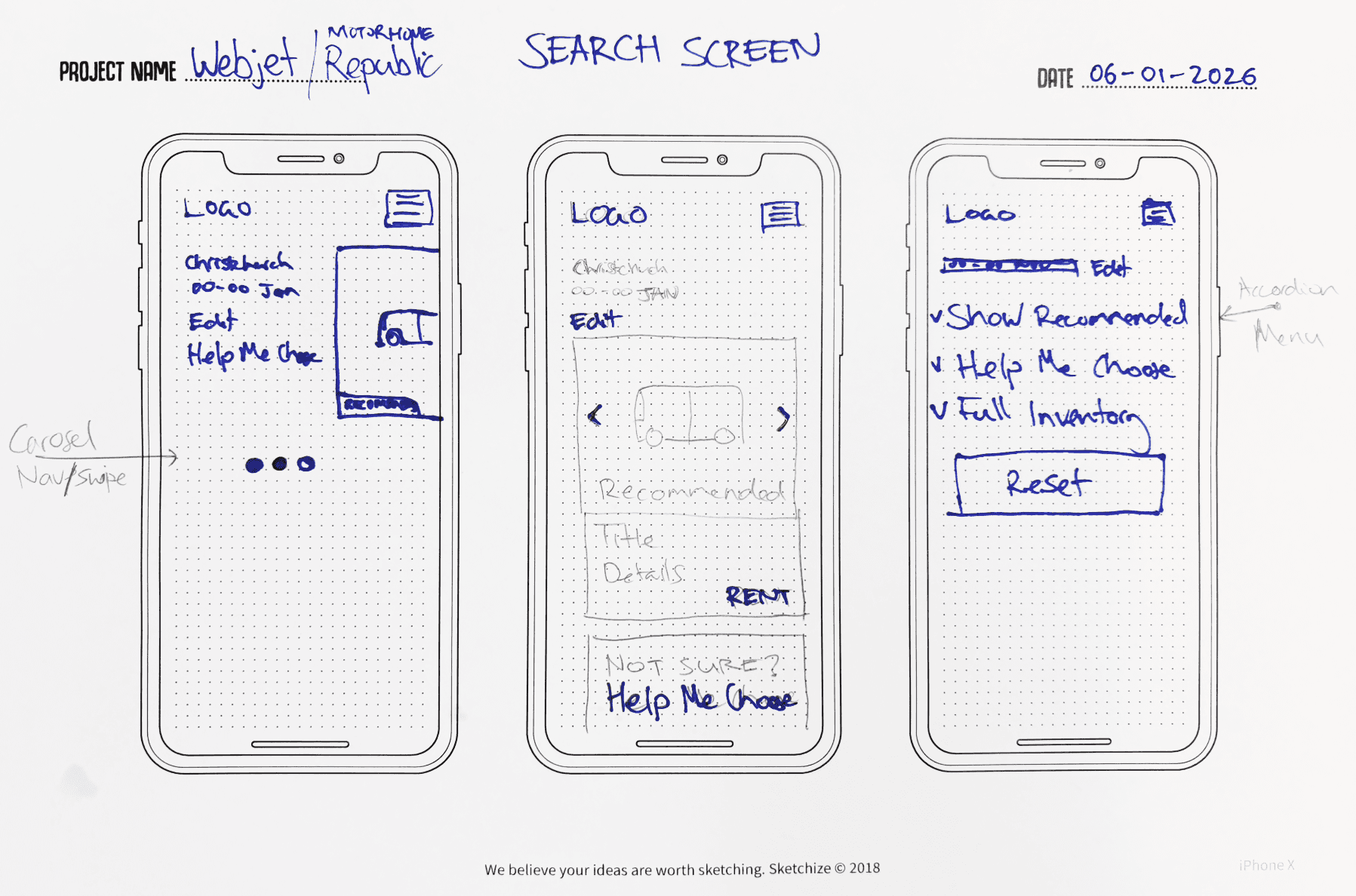
Low-fi sketches
High-fidelity UI designs
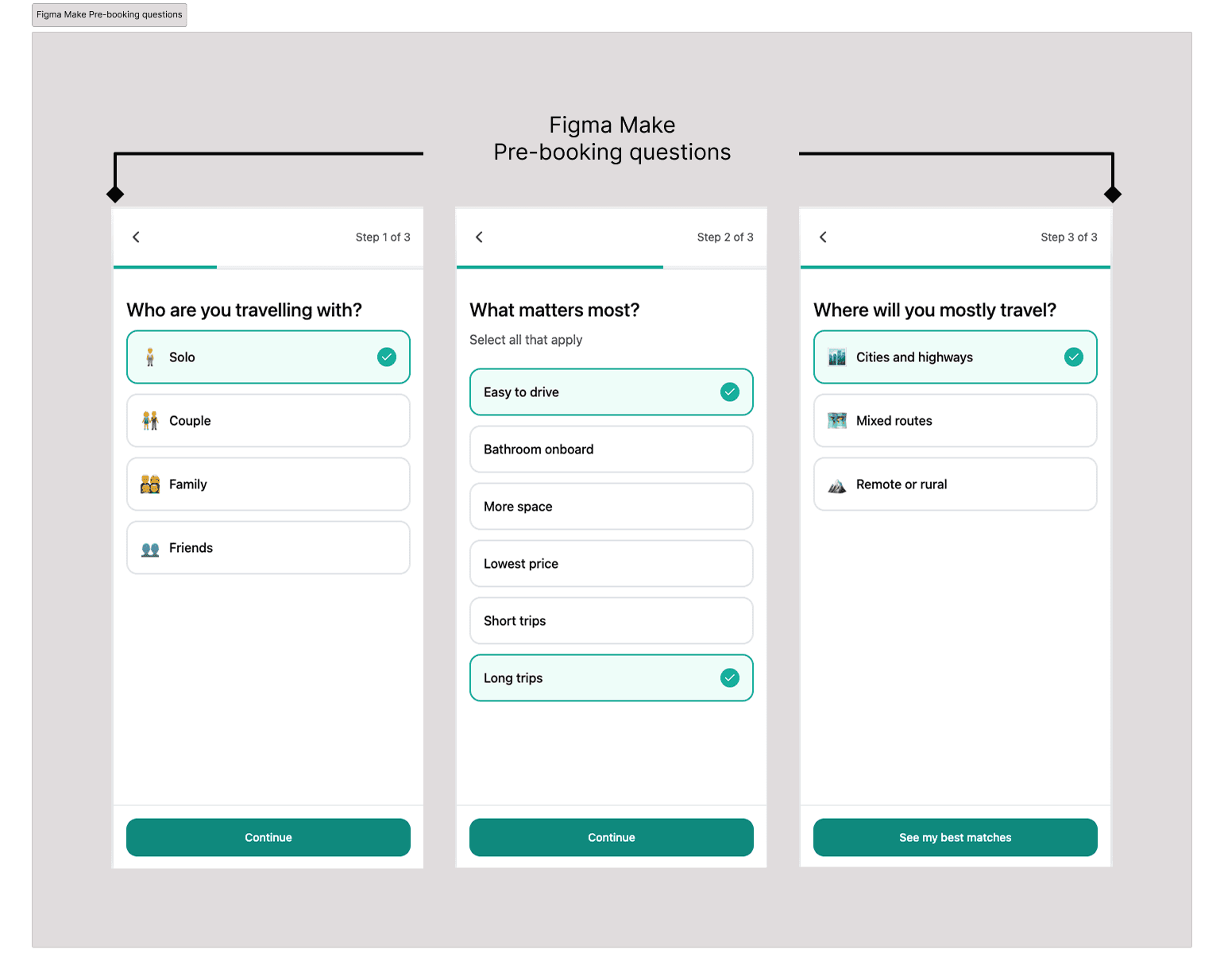
Pre-booking question investigation
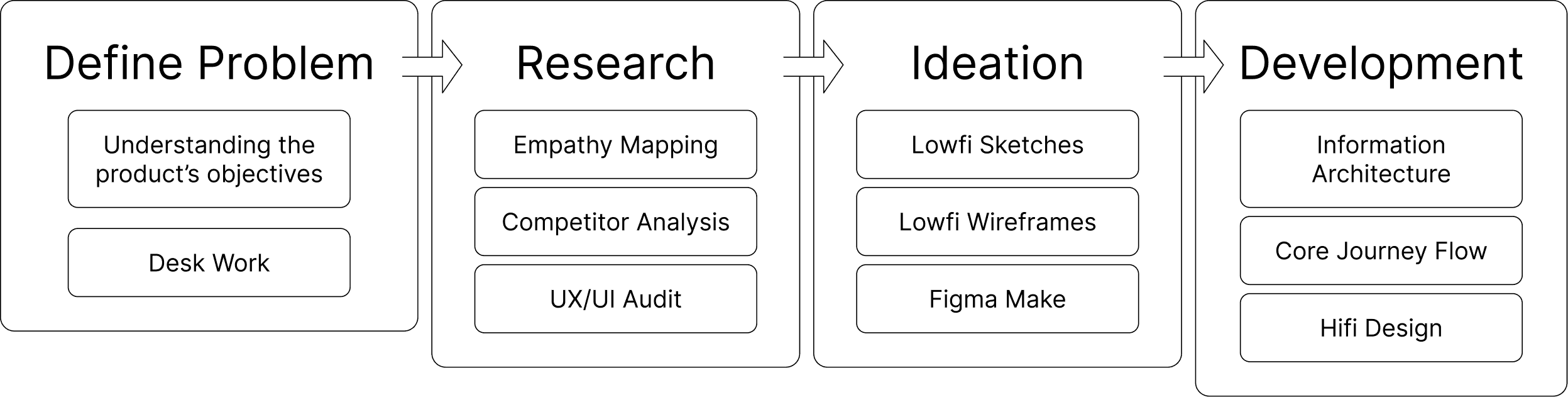
My design process:
Problem and Insight
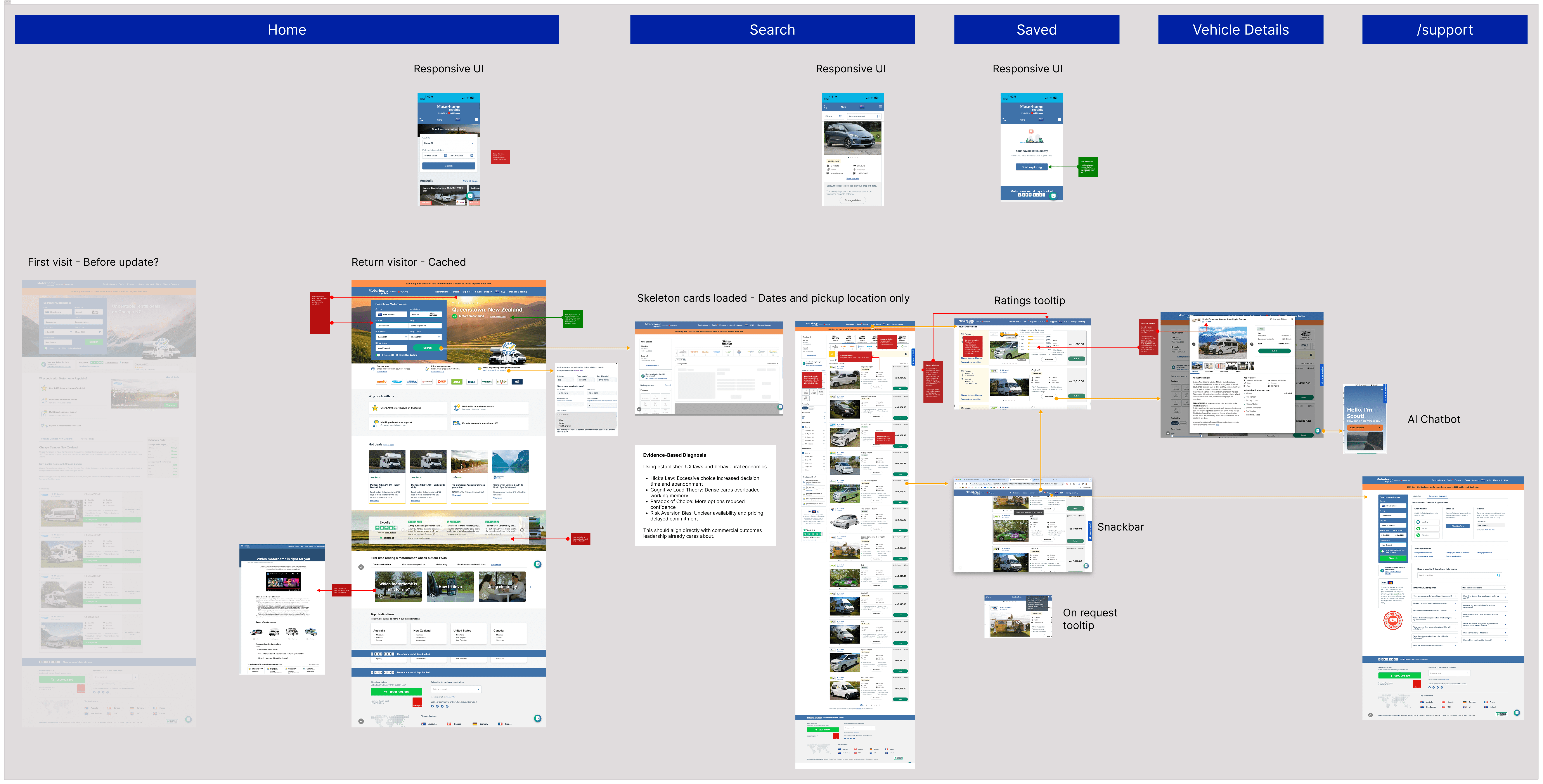
The primary UX issue identified was not availability or competitiveness, but decision friction.
Key insights:
Users face high cognitive load when comparing vehicles
Mandatory costs and insurance are revealed too late in the journey
First-time renters receive little decision guidance
Complexity leaks from the supply chain into the interface
UX Audit of current state:
Empathy Mapping:
Proposed Interventions
The work focused on improving decision quality. Framed commercially, this creates conversion leakage, suppressed confidence, and increased support cost.
Core interventions included:
Simplifying search results to reduce choice overload
Establishing clearer primary actions and recommended options
Improving early price transparency and inclusion clarity
Introducing lightweight choice guidance for trip suitability
Reframing insurance as risk mitigation rather than an upsell
All recommendations were designed to respect supplier constraints and margin sensitivity.
Desktop sketches:
Mobile sketches:
Core journey map flow:
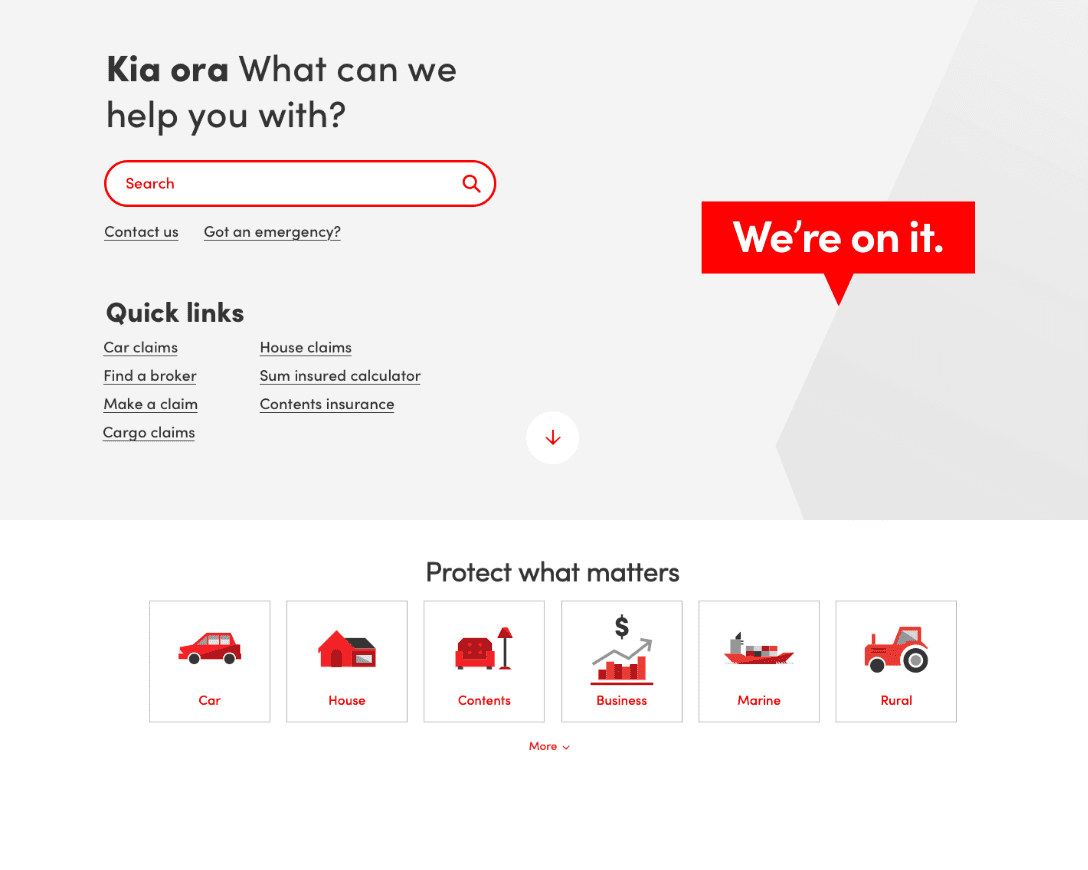
Competitor analysis:
AI assisted design:
Version 1 HiFi UI Design:
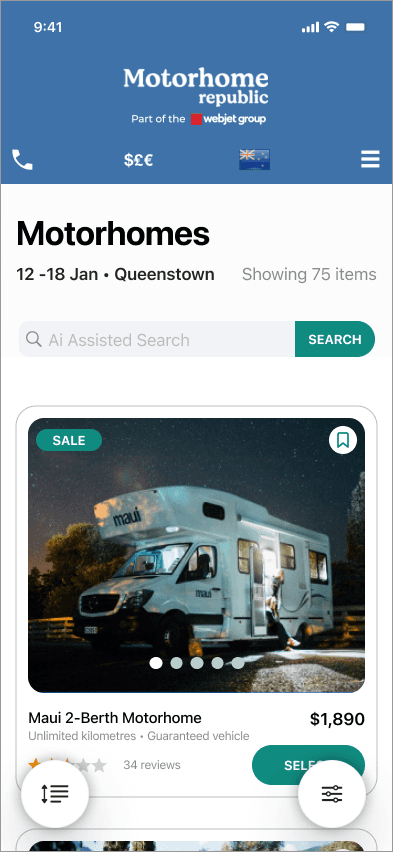
Version 2 HiFi UI Design:
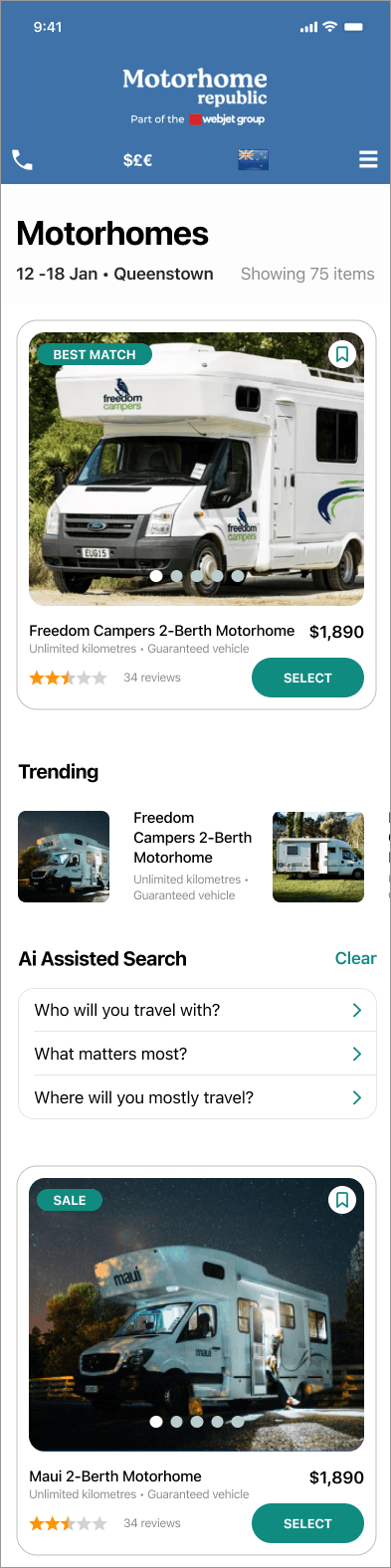
Version 3: Best user value and revenue alignment

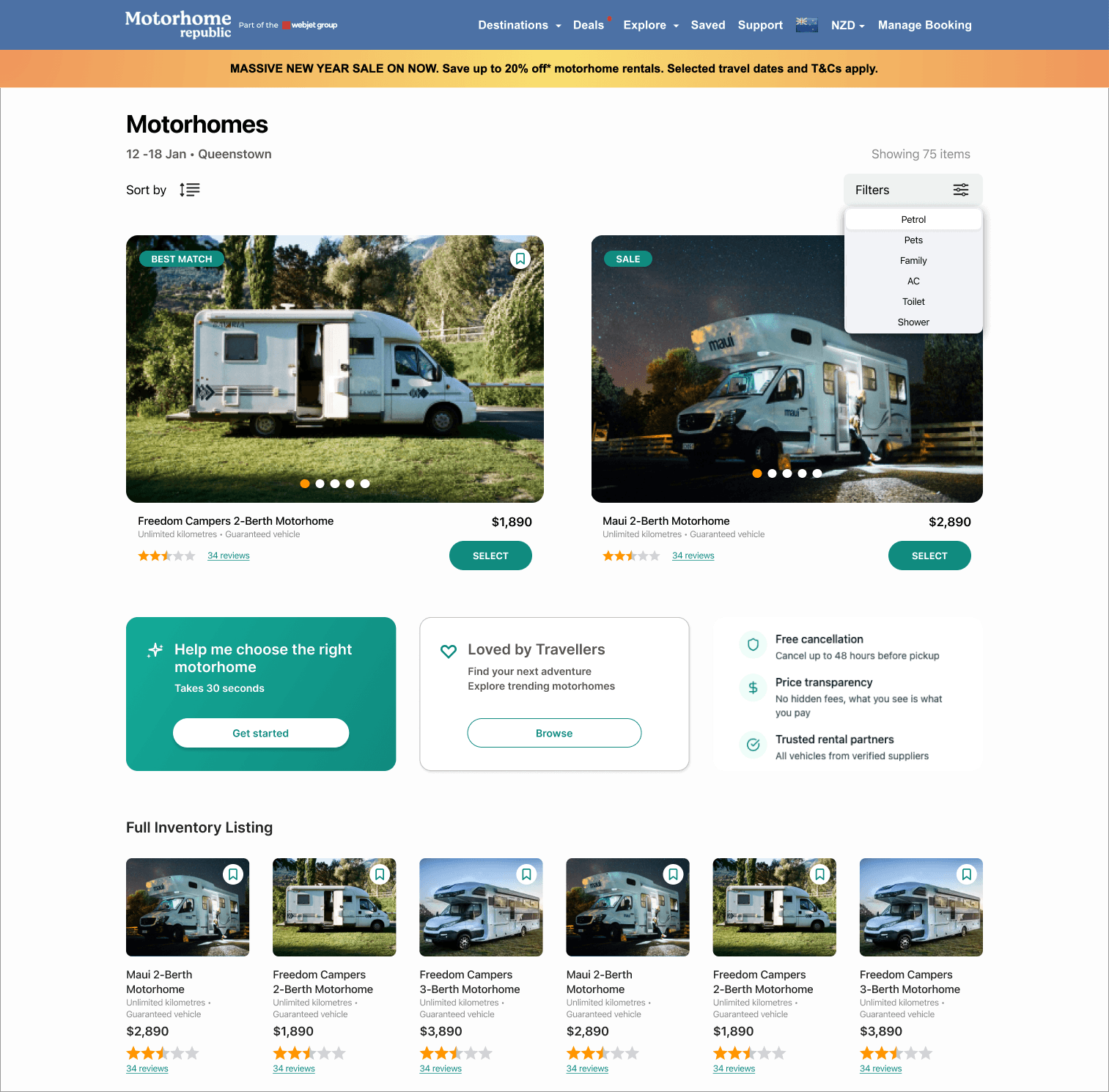
Executive Influence & Takeaway
At a senior level, the impact is not shipping features but shaping decisions.
This case demonstrates how I:
Translate UX friction into commercial risk and opportunity
Anticipate and address GM or Commercial objections
Design within real marketplace constraints rather than around them
Key takeaway:
Senior UX impact comes from making complexity manageable and decisions defensible for both users and the business.
More Works
(SG — 02)
©2026
2026
Motorhome Republic
Motorhome Republic operates as a global marketplace aggregating inventory from third-party suppliers, each with unique pricing rules, insurance requirements, and data quality.
Ai Assisted
Case Study
Scope and Responsibility
I was asked to independently assess Motorhome Republic’s product and propose high-impact UX improvements.
My responsibilities were to:
Analyse the experience through a commercial and systems lens
Identify the highest-leverage problems in the core booking journey
Propose defensible UX interventions grounded in UX laws and marketplace constraints
Frame recommendations in a way that would resonate with GMs, Product, and Commercial leaders.
Deliverables:
Customer empathy map
UX audit of current website
AI assisted wireframes
Competitor analysis
Core journey flow analysis
Redesign of current information architecture
Low-fi sketches
High-fidelity UI designs
Pre-booking question investigation
My design process:
Problem and Insight
The primary UX issue identified was not availability or competitiveness, but decision friction.
Key insights:
Users face high cognitive load when comparing vehicles
Mandatory costs and insurance are revealed too late in the journey
First-time renters receive little decision guidance
Complexity leaks from the supply chain into the interface
UX Audit of current state:
Empathy Mapping:
Proposed Interventions
The work focused on improving decision quality. Framed commercially, this creates conversion leakage, suppressed confidence, and increased support cost.
Core interventions included:
Simplifying search results to reduce choice overload
Establishing clearer primary actions and recommended options
Improving early price transparency and inclusion clarity
Introducing lightweight choice guidance for trip suitability
Reframing insurance as risk mitigation rather than an upsell
All recommendations were designed to respect supplier constraints and margin sensitivity.
Desktop sketches:
Mobile sketches:
Core journey map flow:
Competitor analysis:
AI assisted design:
Version 1 HiFi UI Design:
Version 2 HiFi UI Design:
Version 3: Best user value and revenue alignment
Executive Influence & Takeaway
At a senior level, the impact is not shipping features but shaping decisions.
This case demonstrates how I:
Translate UX friction into commercial risk and opportunity
Anticipate and address GM or Commercial objections
Design within real marketplace constraints rather than around them
Key takeaway:
Senior UX impact comes from making complexity manageable and decisions defensible for both users and the business.
More Works
(SG — 02)
©2026
2026
Motorhome Republic
Motorhome Republic operates as a global marketplace aggregating inventory from third-party suppliers, each with unique pricing rules, insurance requirements, and data quality.
Ai Assisted
Case Study
Scope and Responsibility
I was asked to independently assess Motorhome Republic’s product and propose high-impact UX improvements.
My responsibilities were to:
Analyse the experience through a commercial and systems lens
Identify the highest-leverage problems in the core booking journey
Propose defensible UX interventions grounded in UX laws and marketplace constraints
Frame recommendations in a way that would resonate with GMs, Product, and Commercial leaders.
Deliverables:
Customer empathy map
UX audit of current website
AI assisted wireframes
Competitor analysis
Core journey flow analysis
Redesign of current information architecture
Low-fi sketches
High-fidelity UI designs
Pre-booking question investigation
My design process:
Problem and Insight
The primary UX issue identified was not availability or competitiveness, but decision friction.
Key insights:
Users face high cognitive load when comparing vehicles
Mandatory costs and insurance are revealed too late in the journey
First-time renters receive little decision guidance
Complexity leaks from the supply chain into the interface
UX Audit of current state:
Empathy Mapping:
Proposed Interventions
The work focused on improving decision quality. Framed commercially, this creates conversion leakage, suppressed confidence, and increased support cost.
Core interventions included:
Simplifying search results to reduce choice overload
Establishing clearer primary actions and recommended options
Improving early price transparency and inclusion clarity
Introducing lightweight choice guidance for trip suitability
Reframing insurance as risk mitigation rather than an upsell
All recommendations were designed to respect supplier constraints and margin sensitivity.
Desktop sketches:
Mobile sketches:
Core journey map flow:
Competitor analysis:
AI assisted design:
Version 1 HiFi UI Design:
Version 2 HiFi UI Design:
Version 3: Best user value and revenue alignment
Executive Influence & Takeaway
At a senior level, the impact is not shipping features but shaping decisions.
This case demonstrates how I:
Translate UX friction into commercial risk and opportunity
Anticipate and address GM or Commercial objections
Design within real marketplace constraints rather than around them
Key takeaway:
Senior UX impact comes from making complexity manageable and decisions defensible for both users and the business.
More Works
©2026